


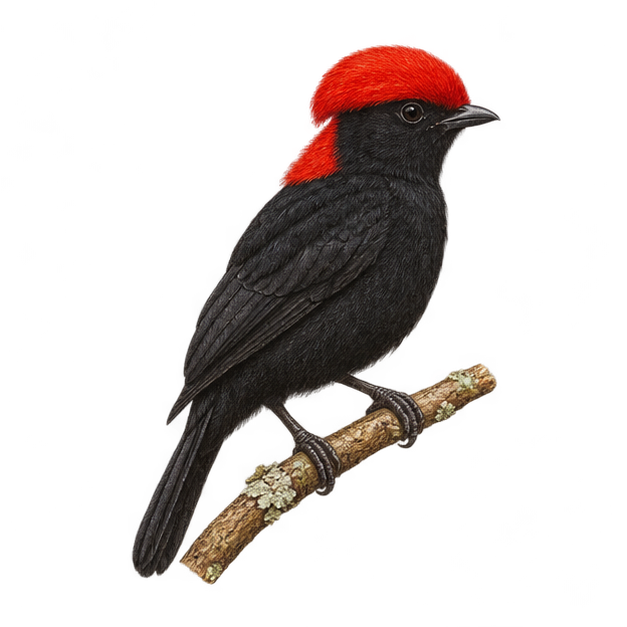
Rufous hornero
Song and calls · Eurico Zimbres · Artur Nogueira, São Paulo, Brazil · February 2009
Cerrado ecology
Start underground, then follow energy from the grass to the jaguar.
Enter the CerradoSoil / Decomposers
Fungi and bacteria help break down fallen leaves and animal remains, including those of capybaras and jaguars. Some nutrients return to the soil in forms that grass roots can absorb.
Decomposition connects every level of the food chain.
01 / Producer
Roots absorb water and nutrients from the soil. Grasses use sunlight to make sugars. When a herbivore eats the leaves, it takes in some of the energy stored by the plant.
02 / Primary consumer
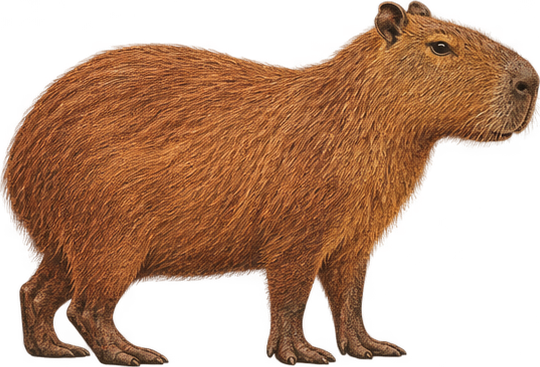
Hydrochoerus hydrochaeris
Near water, capybaras eat grasses, herbs and aquatic plants. Energy from that food supports their growth and movement.
03 / Secondary consumer
Panthera onca
Jaguars can hunt capybaras, tapirs and peccaries. Each prey species connects the predator to other food chains in the Cerrado.
04 / Food web
Capybaras eat several kinds of plants and can also be prey for pumas. A food chain traces one path through that web.
05 / Human impact
Clearing native vegetation can split up habitats. Illegal hunting reduces populations. Uncontrolled wildfires can take food and shelter away from many animals at once. Our choices affect the entire web.
See what breaks the web02 / CONNECTIONS UNDER PRESSURE
Scroll to see the landscape change, or jump to a stage.
A dashed line marks a link under pressure.
When patches of native vegetation are connected, animals have more space to find food and shelter and to move through the landscape.
Removing native vegetation leaves less shelter for many animals. It also changes how much leaf litter and other material reaches the ground, affecting the organisms that break it down.
Roads or cleared land can separate patches of vegetation. A jaguar crossing between them to find prey or a mate can face a longer or riskier route.
Illegal hunting can reduce prey populations. Direct persecution can also reduce jaguar populations. Either pressure can disrupt feeding relationships.
An intense wildfire can destroy shelter, consume leaf litter and change microbial communities at the soil surface. The effects depend on how intense and frequent fires are. Some parts of the Cerrado are managed with carefully planned burns.
03 / DISCOVER
Keep scrolling. New animals enter the scene, one at a time. Look at their shapes and learn their names before continuing to the searches and quizzes.
01 / 04
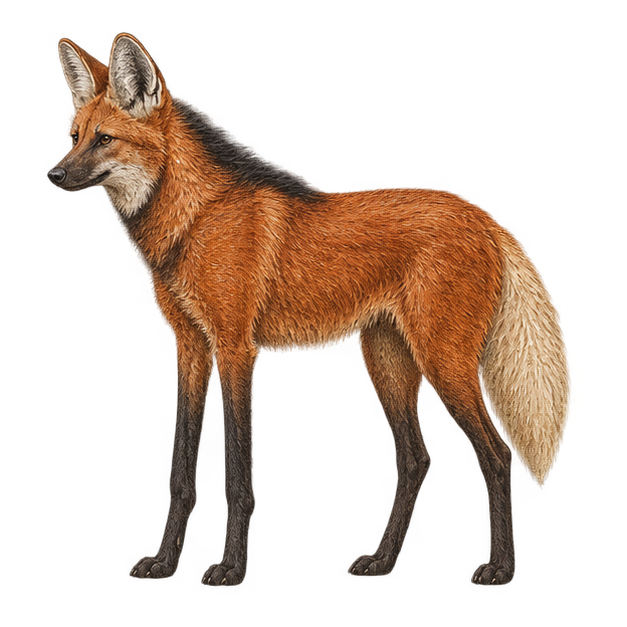
Chrysocyon brachyurus
A long-legged canid. The maned wolf adds another silhouette to the fauna you began to meet through the capybara and jaguar.
02 / 04
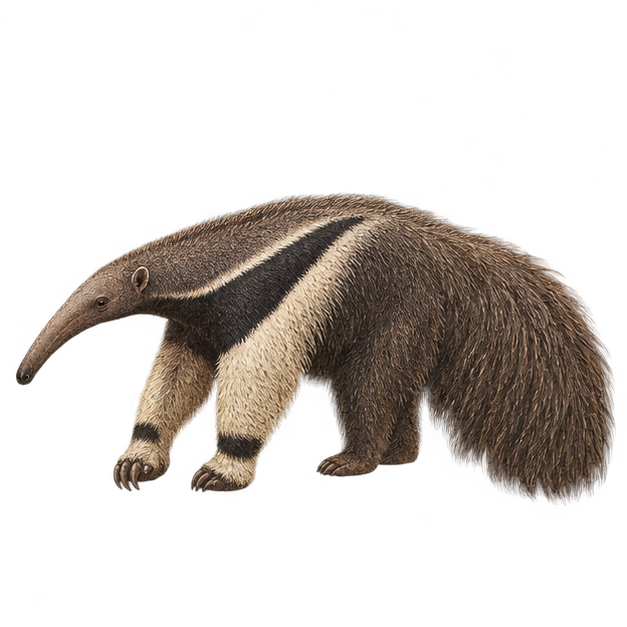
Myrmecophaga tridactyla
Its long snout and large tail help distinguish the giant anteater. Its specialised diet connects it with ants and termites.
03 / 04
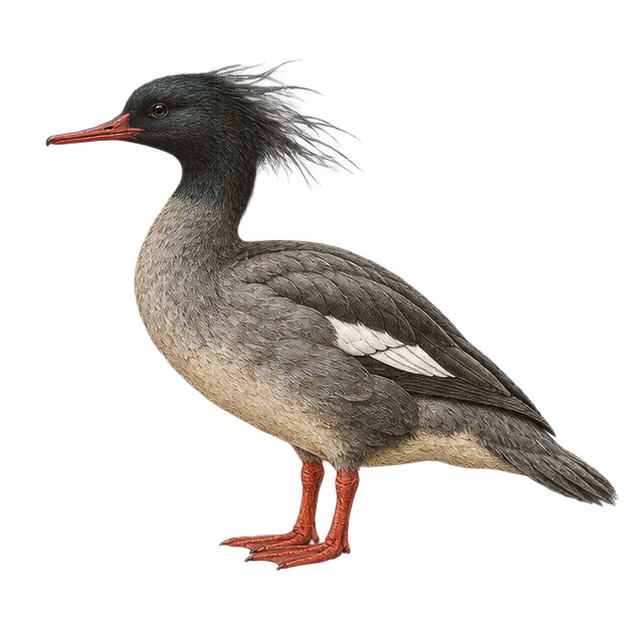
Mergus octosetaceus
The Brazilian merganser turns our attention to conserved rivers. The diversity of the Cerrado also depends on flowing-water habitats.
04 / 04
Antilophia galeata
In gallery forests, the helmeted manakin adds another shape and colour to the landscape. It is a different species from the Araripe manakin.
Continue to the searches ↓04 / GOOGLE TRENDS
All 32 names appear together. Tap an animal to open its Google Trends comparison, or select a group. Only names in that group are sized by relative search interest.
In the overview, all names carry equal weight: size does not indicate searches. Select a name or group to see the data.
Average weekly index · 0–100 scale · within this group only
Each group has its own scale. A 10 in one comparison does not equal a 10 in another. Interest does not measure how many people know an animal or how well it is protected.
Brazil, Web Search, all categories, past five years. Seven Google Trends exports collected on 17 November 2026. These are Portuguese search terms, retained in the English version. Names may also appear in brands, cities, characters and news. Some terms include “ave” (bird), “animal” or “cobra” (snake) to reduce ambiguity; the exact term appears beside its value. Where the CSV reports <1, we display the possible interval for the average rather than invent an exact value. Zero indicates low volume in the index, not proven absence of searches. The final week may be incomplete.
2021-11-14 → 2026-11-15
05 / SHAPES
Six rounds with the animals you just met. Look at the silhouette and scientific name, choose the common name and reveal the full illustration. Each round has one scored attempt.
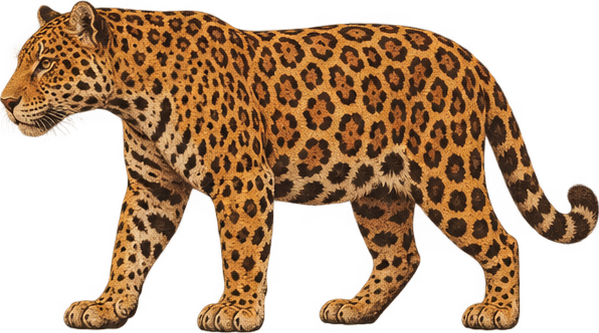
Panthera onca
Preparing the silhouettes…
Educational illustrations made with AI assistance. The quiz is a recognition exercise, not a scientific identification guide.
06 / LISTEN
Four recordings, four rounds. Listen, choose an answer and discover the animal, vocalisation type and credits. These birds occur in the Cerrado; recordings were made at the credited locations, not as a soundscape recorded in the biome.
Preparing the rounds…
Listen at a low volume. Do not use these recordings to attract wild birds.
Song and calls · Eurico Zimbres · Artur Nogueira, São Paulo, Brazil · February 2009
Vocalisation · Eurico Zimbres · Resende, Rio de Janeiro, Brazil · recording date not supplied
Song and call · Icoeng · Curitiba, Paraná, Brazil · 1 October 2012
Call · Fabrício Grigolin · Brazil · coordinates in the original record · 3 July 2021

The QR code opens this quiz, right here in the Living Food Web. Download it for a lesson or printed material.
Download QR code (SVG) ↓Protecting native vegetation, restoring corridors between habitat patches and tackling illegal hunting help sustain the relationships that support Cerrado wildlife.
Start the journey again