The Louvre Pyramid is now one of Paris's most recognizable entrances, but I.M. Pei's glass intervention was once fiercely criticized. Here is how geometry, transparency, and visitor flow turned controversy into architectural staying power.
Matheus Rudo Oliveira · 2026-11-01
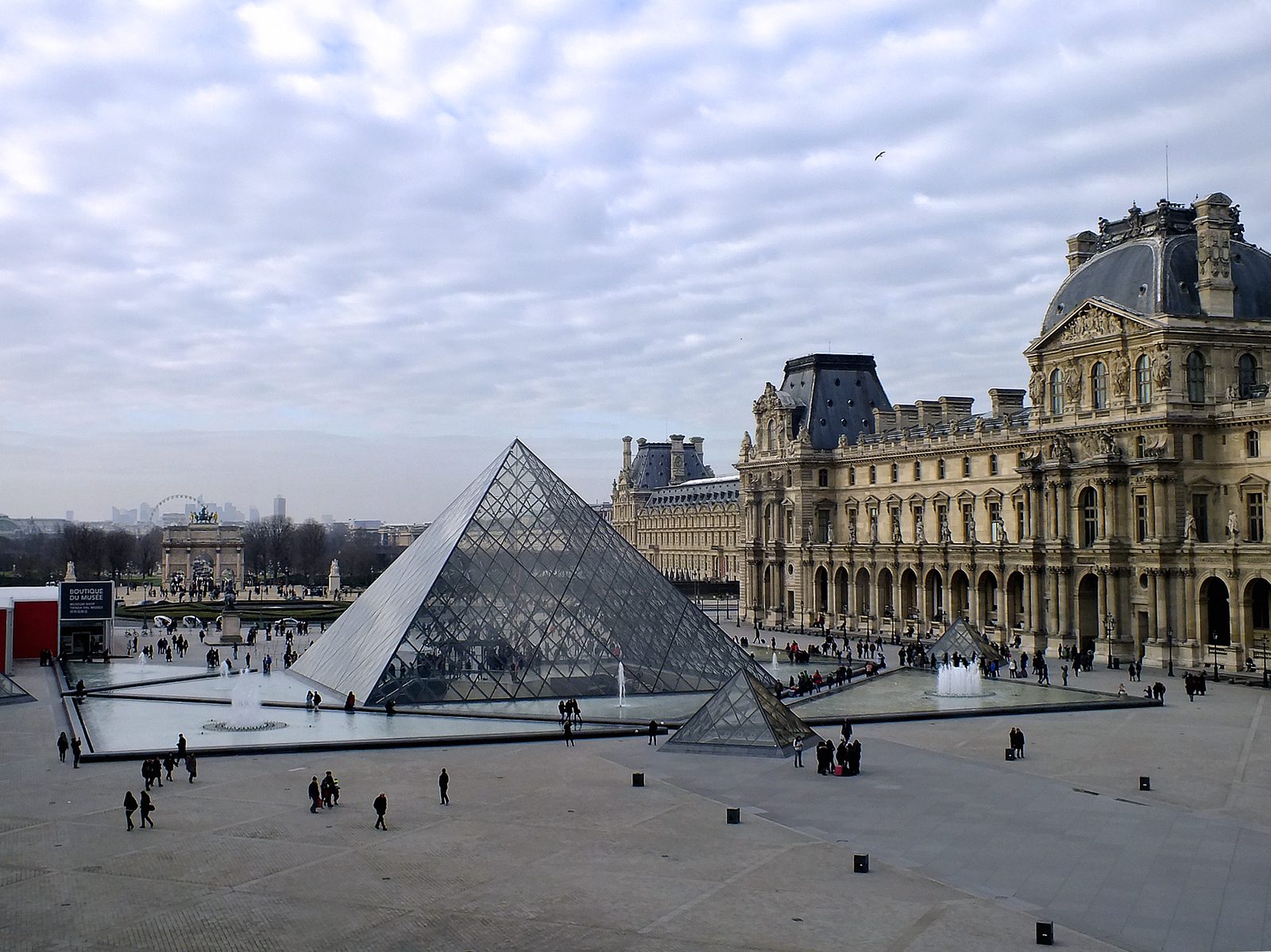
Today, the glass pyramid in the Louvre's Cour Napoleon feels inevitable. It is the image many visitors meet before they ever reach the museum's masterpieces.
But when I.M. Pei's design was introduced in the 1980s, the reaction was far from calm. The project triggered public debate over whether a modern glass-and-metal pyramid could belong at the heart of one of the world's most historic museums.
That tension is why the Louvre Pyramid remains such a useful design lesson. It shows how a controversial intervention can survive when it solves a real problem clearly enough for time to change the conversation.
The Problem Was Visitor Flow
Before the Grand Louvre project, the museum was struggling with growth. The Louvre's own history says the building was increasingly ill adapted to rising visitor numbers. The Cour Napoleon, now defined by Pei's pyramid, had included gardens and parking.
The Grand Louvre project, commissioned under French President Francois Mitterrand, aimed to modernize and expand the museum. Pei's central move was not only visual. He reorganized circulation.
The pyramid became the visible entrance to an underground lobby that connected the museum's wings and handled practical needs such as tickets, services, shops, and visitor movement. In other words, the pyramid was a symbol, but it was also infrastructure.
Why People Objected
The shock came from contrast. Glass, steel, and triangular geometry met stone facades, royal history, and Parisian expectation. Pei did not imitate the palace, and that refusal made the design feel disruptive.
Yet the project was not random. The pyramid's square base and triangular sides respond to the order of the courtyard. Its transparency also reduces its weight against the historic architecture around it.
Why It Became an Icon
The Louvre Pyramid became beloved because visitors use it. It gives the museum a clear center, a memorable entrance, and a modern identity without hiding the palace behind it.
It also teaches a larger lesson: contrast is not automatically disrespect. A new intervention can belong to a historic place when it understands scale, order, purpose, and public experience.
Final Thought
Pei's pyramid was controversial because it was visible. It endured because it was useful. That combination turned a rejected modern object into one of Paris's most recognizable architectural icons.
CC0 1.0 Public Domain Dedication via Wikimedia Commons; author Irene Ledyaeva; originally published on Unsplash before June 5, 2017. Direct original file: Louvre_Pyramid_(Unsplash).jpg
