The Schindler House still feels fresh because it treated openness as a way of living together, not just a fashionable floor plan.
Matheus Rudo Oliveira · 2026-11-02
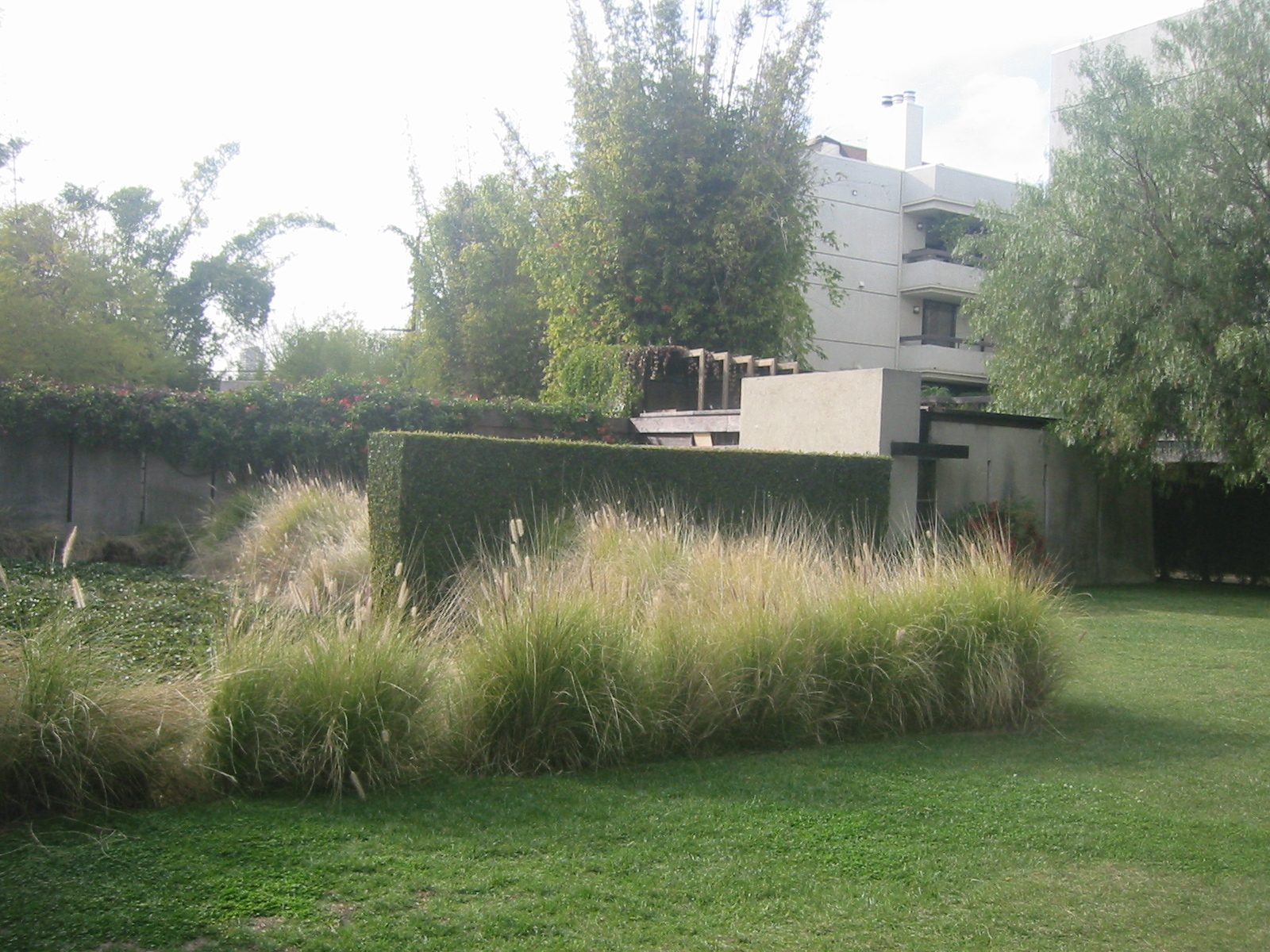
Open-plan living is usually described as a style choice, but the Schindler House makes more sense as a social experiment. When Rudolph M. Schindler completed the Kings Road House in 1922, he and Pauline Schindler were not trying to produce an early version of a real-estate buzzword. They were testing another way of living. The house was conceived for two couples, with four studio-like rooms for individual life, a shared kitchen, roof sleeping porches, and a guest apartment at the rear. That program is still radical because it treated domestic space not as a sealed private box but as something negotiated between autonomy and community.
The architecture is more precise than the phrase open plan suggests. The Library of Congress HABS record notes that Schindler used blank walls, a bent overall form, and direct openings to garden patios through sliding glass panels to create both separation and connection. That means the house never simply dissolves into vague openness. It produces pockets, thresholds, and carefully framed outdoor rooms. Pauline Schindler matters here as much as the plan does. The MAK Center's history of the house connects the design to her interest in a revisionist lifestyle, which helps explain why the project still feels sharper than the average story about modern domestic freedom. It was not just about removing walls. It was about reorganizing relationships.
That is why the Schindler House keeps feeling ahead of so many houses built long after it. It also explains why it became an architectural laboratory and why it still makes sense as the home of the MAK Center for Art and Architecture. If you want the simple answers folded into one sentence, the house is important because it turned communal living, climate, privacy, and outdoor space into one coordinated design problem. The result is not open plan as a look. It is open plan as a lived experiment, which is much rarer and much more interesting.
Wikimedia Commons (ver arquivo original).