Peter Zumthor's long-awaited David Geffen Galleries at LACMA are opening in Los Angeles, reigniting a useful design debate about museum experience, concrete, public space, and the real cost of iconic architecture.
Matheus Rudo Oliveira · 2026-11-01
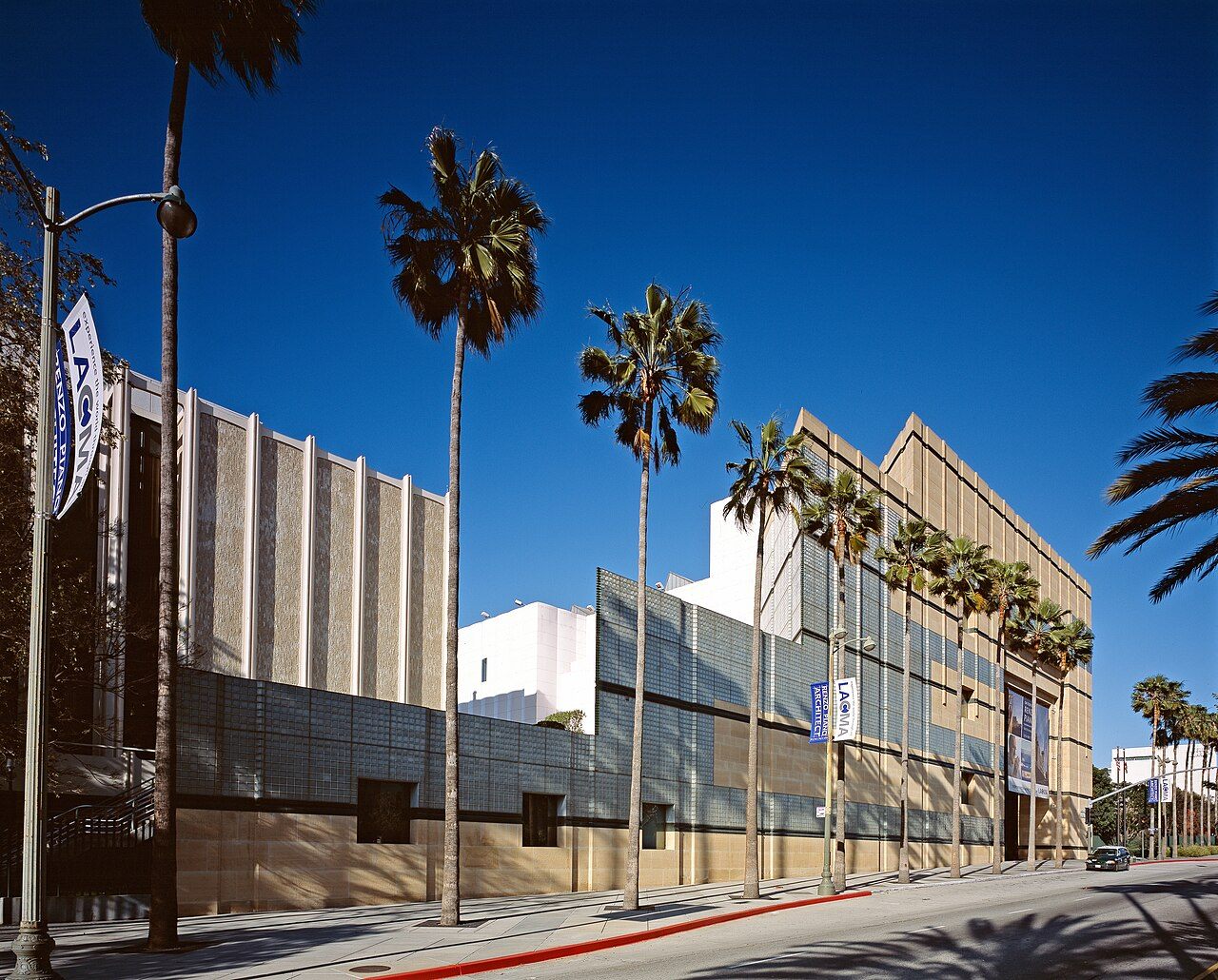
When Peter Zumthor designs a museum, architecture audiences pay attention. When that museum is a long concrete-and-glass structure spanning Wilshire Boulevard in Los Angeles, the conversation becomes bigger than a building.
LACMA's David Geffen Galleries are scheduled to open in 2026 as the museum's new home for its permanent collection. The project arrives after years of planning, fundraising, construction, criticism, and public expectation.
That makes it useful as a design story. Zumthor's LACMA is not only about form. It is about how museums are judged now: by atmosphere, cost, carbon, access, flexibility, and public value.
Why the Project Matters
LACMA describes the building as an elevated exhibition space that spans Wilshire Boulevard and presents art from different cultures and eras on a single level. The museum says the project includes about 110,000 square feet of gallery space and belongs to a broader campus transformation.
The questions around it are exactly the questions shaping architecture today. Can a major cultural institution justify a monumental new building in an age of climate urgency? Can architecture help reorganize how art is seen? Can a museum be both civic gesture and lightning rod?
Why Zumthor Is an Interesting Choice
Peter Zumthor's reputation is built on atmosphere, material presence, and careful attention to place. His work is often discussed through buildings like Therme Vals, Kunsthaus Bregenz, Kolumba Museum, and the Brother Klaus Field Chapel.
LACMA puts that sensibility into a louder setting: Wilshire Boulevard, Hancock Park, the La Brea Tar Pits, Los Angeles traffic, donors, tourism, and public scrutiny. The scale is larger, the politics are sharper, and the result has to serve millions of visitors.
What the Building Teaches
The David Geffen Galleries show that museums are no longer judged only by how iconic they look. They are judged by what they make possible. A contemporary museum must organize movement, support curators, welcome different publics, and explain its environmental choices.
The concrete form is part of the debate. For some, it promises calm, continuity, and a new way to experience the collection. For others, it raises questions about embodied carbon, cost, and whether a single architectural gesture should carry so much institutional ambition.
Final Thought
Zumthor's LACMA matters because it forces a useful question: what should a museum building do today? The answer can no longer be just "look unforgettable." It has to work harder than that.
Imagem do dossie original sem licenca declarada — nao publicada.