A major 2026 exhibition cycle is turning fresh attention to Paul R. Williams, the Los Angeles architect whose range was always bigger than the old cliches.
Matheus Rudo Oliveira · 2026-11-02
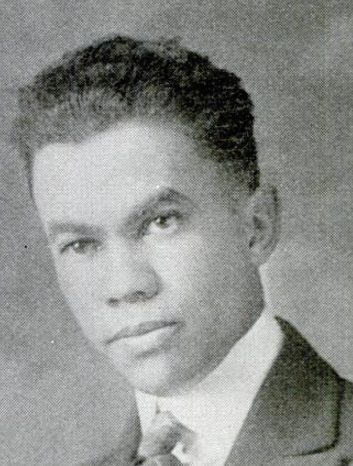
If Paul R. Williams has sometimes seemed oddly absent from mainstream architecture conversation, the problem was never the work. It was the frame around the work. For years, Williams was compressed into an easy label, usually some version of architect to the stars, as if his significance began and ended with glamorous clients. The coordinated 2026 exhibition cycle announced by Getty, LACMA, and the USC Fisher Museum of Art is valuable because it finally pushes against that small frame. Running from August 2026 through July 2027 and described by Getty as the first major museum presentations devoted to Williams, the three-part structure suggests that his archive is large enough, varied enough, and historically important enough to deserve a fuller public reading.
That fuller reading changes the scale of the story immediately. Williams completed more than 3,000 projects across nearly six decades. He was the first Black architect licensed west of the Mississippi, the first Black member of the American Institute of Architects, and, in 2017, he was posthumously awarded the AIA Gold Medal. Those distinctions matter, but they are not the whole point. The deeper point is range. LACMA's description of his work stretches from houses to civic commissions, churches, hotels, public housing, and projects far beyond Southern California's celebrity mythology. In other words, the career was never narrow. The public understanding of it often was.
That is why 2026 feels important without needing any rescue narrative. Williams does not need to be rediscovered as if he were marginal in his own time. He needs to be seen in proportion. The museum cycle helps because it invites readers to move from personality to production, from anecdote to archive, and from prestige to actual architectural intelligence. If you are asking who Paul R. Williams was, why he matters, or why this year is suddenly different, the answers now line up clearly: he was one of the most prolific American architects of the twentieth century, his historical significance extends far beyond a single social circle, and the current exhibitions are finally giving the public a structure broad enough to show it.
Wikimedia Commons (ver arquivo original).