Maya Lin's memorial changed how public monuments work by using names, reflection, and silence instead of heroic spectacle.
Matheus Rudo Oliveira · 2026-11-02
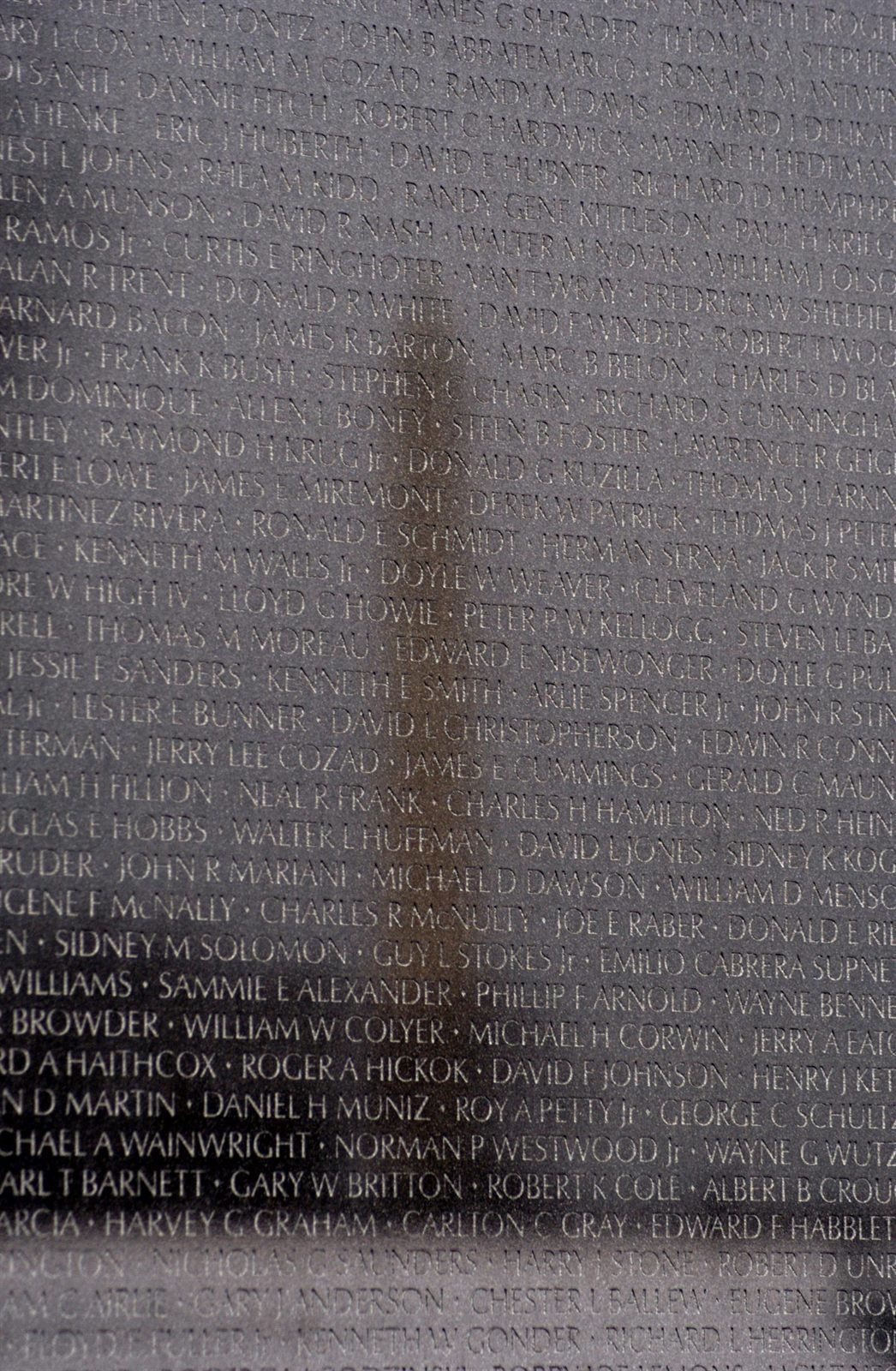
Maya Lin's Vietnam Veterans Memorial still feels powerful because it avoids almost every gesture that monuments usually rely on. There is no triumphant central hero, no overloaded symbolism, and no easy visual command telling visitors exactly how to feel. Instead, the design uses a descending path, polished black granite, and the names of the dead and missing arranged chronologically so that the sequence begins and ends at the center. That last decision is one of the memorial's most intelligent details. It turns chronology into form and makes the wall read less like a list than a wound that closes without ever disappearing.
The history explains why the design still matters. Lin won the competition in 1981 while she was a Yale student, working within guidelines that required the memorial to be contemplative, harmonious with its setting, and nonpolitical. Her answer was controversial precisely because it was so restrained. The polished black surface was attacked by critics who wanted something louder, more obviously heroic, and easier to decode. Time has made that resistance look revealing rather than embarrassing. The material's reflectivity is one of the work's great strengths because it places the living among the names rather than opposite them.
The memorial was dedicated on November 13, 1982, and it remains one of the clearest lessons in what public architecture can do when it trusts sequence, land, and naming more than spectacle. If you are asking why the memorial became famous, why the names are organized the way they are, or why black granite turned out to be exactly right, the same answer keeps returning: Lin understood that grief does not need to be illustrated to be made public. It needs space, order, and a form capable of holding both memory and reflection at once.
Wikimedia Commons (ver arquivo original).