On Earth Day, Lina Bo Bardi's SESC Pompeia stands out as a powerful reminder that the greenest building is often the one you choose to keep alive.
Matheus Rudo Oliveira · 2026-11-02
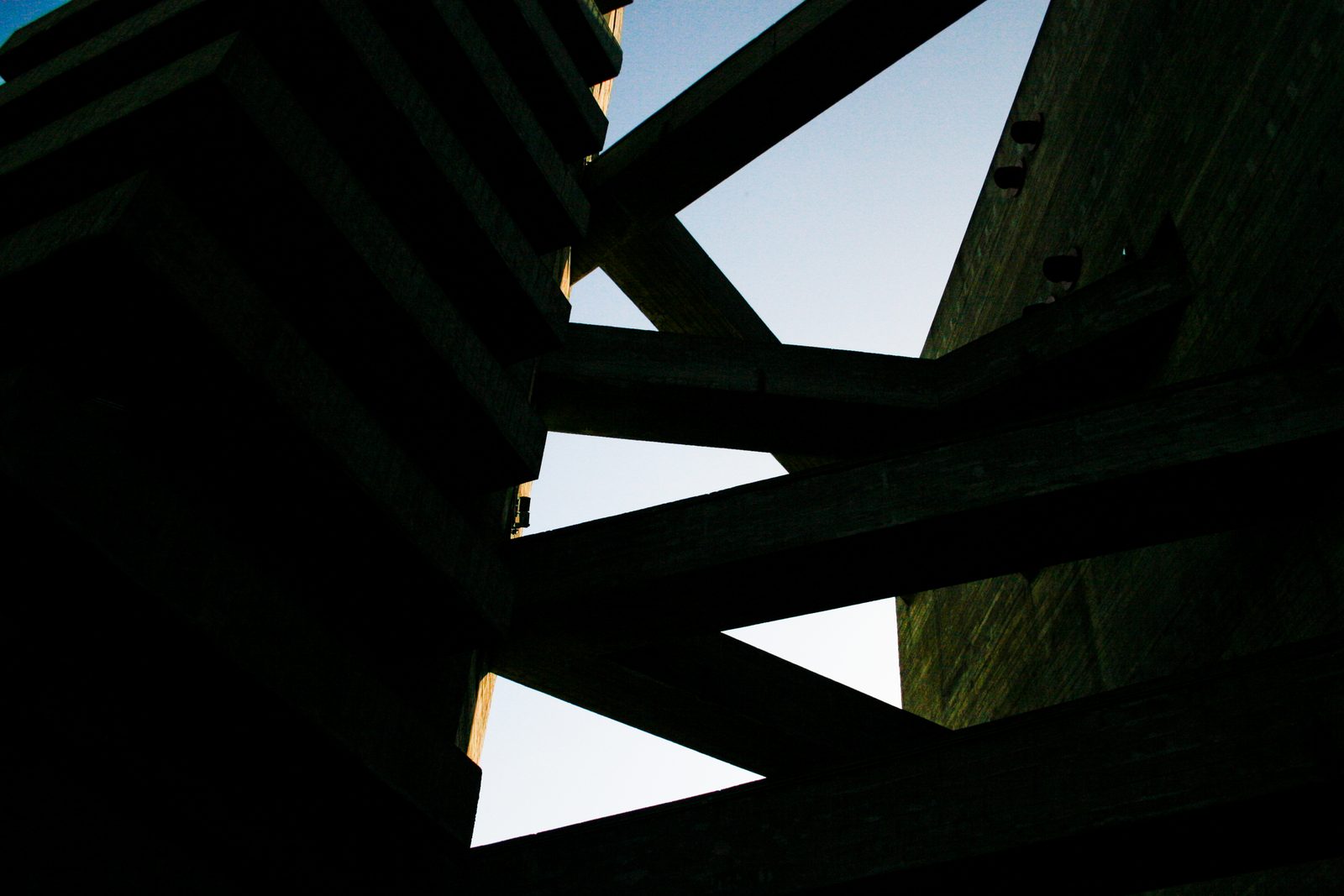
Lina Bo Bardi's SESC Pompeia: Why an Old Factory Still Feels More Human Than Most New Buildings
On Earth Day 2026, architecture conversations naturally turn toward carbon, waste, and what should be built next. Lina Bo Bardi's SESC Pompeia makes a simpler point: sometimes the most forward-looking move is refusing demolition. In Sao Paulo, Bo Bardi turned a former factory site into a sports, culture, and leisure center that still feels more generous than many brand-new buildings.
The Radical Move Was Keeping the Factory
According to the Instituto Bardi, SESC commissioned Bo Bardi in 1976 to transform a former factory site in the Pompeia neighborhood into a center for culture, sports, and leisure. When the project was completed ten years later, she had repurposed and refurbished the existing factory buildings rather than starting from scratch.
That choice matters even more in 2026. EARTHDAY.ORG notes that Earth Day is Wednesday, April 22, 2026, and frames this year's conversation around practical action and resilient local systems. SESC Pompeia fits that mood because it shows adaptive reuse as an architectural advantage, not a compromise.
Why the Building Still Feels So Alive
Official SESC information lists the unit's inauguration across 1982 to 1986 and credits Lina Bo Bardi, alongside Andre Vainer and Marcelo Ferraz, with the architecture. The same page records a 16,573-square-meter site and 27,288 square meters of built area, which helps explain why the complex works less like an object and more like a small piece of city.
Bo Bardi did add bold new elements. Instituto Bardi describes three exposed-concrete towers: one for gyms and a pool, one for vertical circulation and locker rooms, and one for water storage. But what makes SESC Pompeia memorable is the tension between old and new. The reused sheds hold a theater, library, studios, restaurant, exhibitions, and room for people to linger rather than simply pass through.
Roughness Was Part of the Welcome
SESC Pompeia is often described through its concrete, but the deeper story is how Bo Bardi used direct materials to make a place feel open instead of intimidating. Instituto Bardi notes that she also designed wayfinding, staff livery, and furniture for the complex, including the sturdy wooden SESC Chair still used in public areas. The project was not only about form. It was about how people would sit, gather, read, eat, watch, and spend time together.
Why SESC Pompeia Works Especially Well on Earth Day
Earth Day tends to produce abstract language about sustainability. SESC Pompeia offers something more useful: a built example of reuse, durability, and social value working together. Keeping the factory structure conserved material. Expanding it carefully made room for public life. Designing for heavy use made the place resilient instead of precious.
SESC's current services page also shows that the complex remains active, open to the public in several areas, and supported by heritage visits on weekends. A building is not sustainable only because it saves material once. It is sustainable when people keep finding reasons to return.
What Architects and Clients Can Still Learn Here
1. Reuse can be more memorable than replacement
SESC Pompeia proves that preserving an existing structure can create stronger identity than erasing it.
2. Public buildings need friction, not perfection
Its rough concrete, reused sheds, and unapologetic details make the place feel robust and democratic rather than over-controlled.
3. Sustainability is social as well as material
The project matters not just because it reused a factory, but because it turned that reuse into an enduring civic destination.
FAQ
Who designed SESC Pompeia?
The official SESC unit page credits Lina Bo Bardi, with Andre Vainer and Marcelo Ferraz, for the architecture.
Was SESC Pompeia built from scratch?
No. Instituto Bardi states that Bo Bardi repurposed and refurbished the existing factory buildings and added new concrete towers to complete the complex.
Can you visit SESC Pompeia today?
Yes. SESC Sao Paulo's current services page says the unit is open to the public in several areas and offers heritage visits on weekends.
Final Thought
SESC Pompeia still feels radical because it rejects a false choice. It is neither preservation as nostalgia nor new construction as spectacle. It kept what mattered, added what was needed, and made public life feel worth designing for.
Internal Link Suggestions:
- Link to the Ferdinand Cheval post as another case where roughness and personal conviction produce unforgettable architecture.
- Link to the Peter Zumthor LACMA post as a contrast between adaptive reuse civic generosity and the architectural logic of a brand-new museum proposal.
Sources Checked:
- https://www.earthday.org/earth-day-2026/
- https://institutobardi.org.br/en/revista/lina-bo-bardis-sesc-chair/
- https://portal.sescsp.org.br/pt/sobre-o-sesc/unidades/11_POMPEIA
- https://www.sescsp.org.br/servicos-sesc-pompeia/
- https://commons.wikimedia.org/wiki/File%3ASesc_Pompeia%2C_Lina_Bo_Bardi_%285878450630%29.jpg

Image Download Links:
- https://commons.wikimedia.org/wiki/File%3ASesc_Pompeia%2C_Lina_Bo_Bardi_%285878450630%29.jpg
- https://upload.wikimedia.org/wikipedia/commons/e/eb/Sesc_Pompeia%2C_Lina_Bo_Bardi_%285878450630%29.jpg

Next Ideas Queue: See next-ideas-queue.md in this folder.
Wikimedia Commons (ver arquivo original).