The Sydney Opera House is one of the most photographed buildings on earth, but the real story goes far beyond the sails. Here is what the postcard image usually leaves out.
Matheus Rudo Oliveira · 2026-11-01
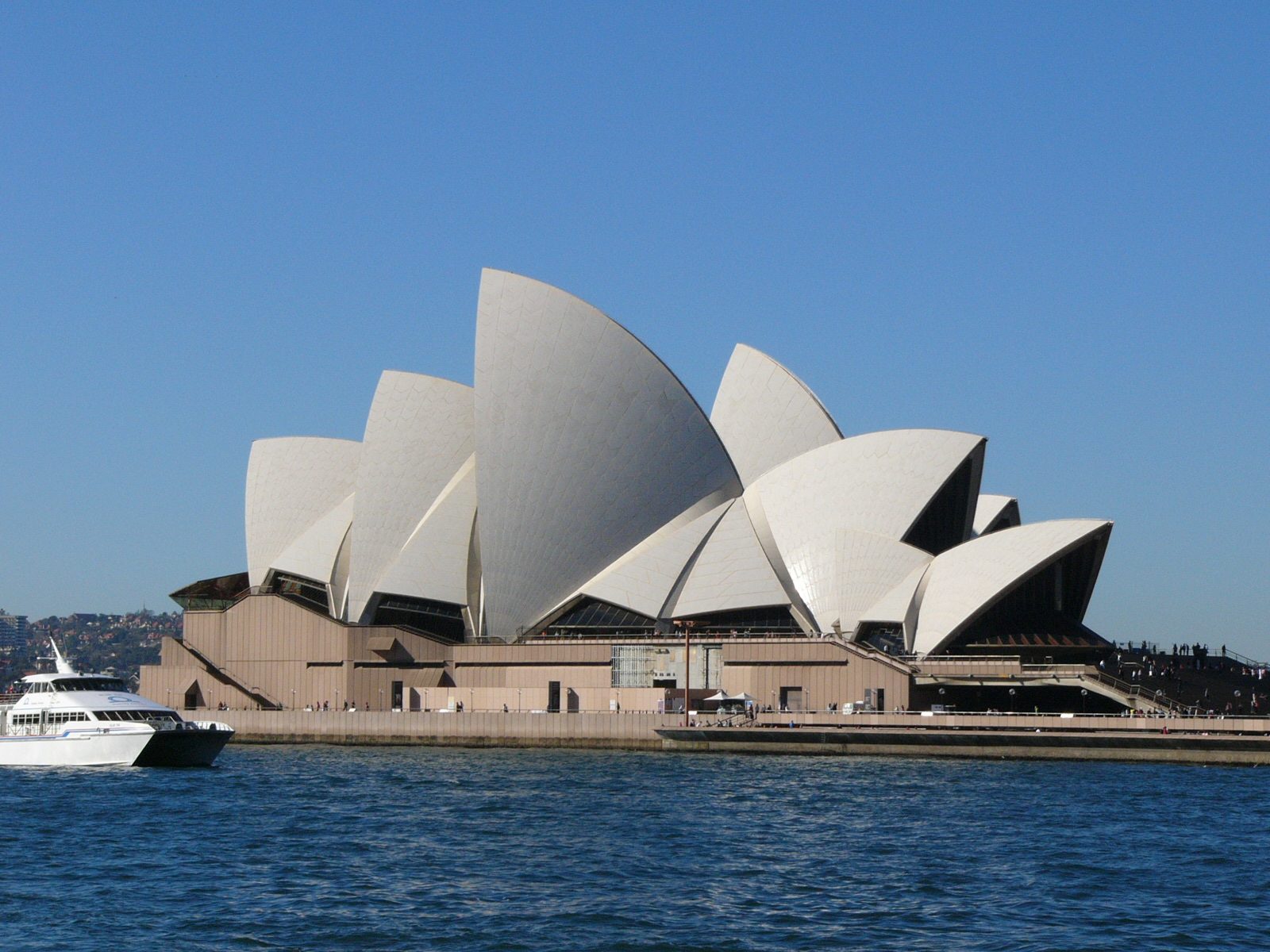
Most people know the Sydney Opera House as an image before they know it as a building: bright shells, blue water, perfect skyline. The problem with that postcard is not that it is false. It is that it crops out almost everything that makes the project architecturally interesting. The Opera House stands on Bennelong Point, a place the Sydney Opera House's own history identifies as Tubowgule, long known to the Gadigal as a place of gathering and food. That older history matters because the building was never just an isolated object. It was always tied to a loaded site, a public edge, and a much larger story about what a national landmark should mean.
The next thing the postcard hides is how improbable the building's birth really was. Jorn Utzon won the international competition in 1957, and the project quickly became one of the twentieth century's most famous collisions between architectural ambition, engineering difficulty, and politics. That conflict did not stay behind the scenes. Utzon resigned in 1966, Peter Hall later led the completion of the interiors, and the building finally opened on October 20, 1973. One of the curious truths about the Opera House is that the world's most recognizable roofline is attached to interiors shaped by a different phase of authorship. Visitors can still feel that layered history. The exterior reads like one bold gesture; the building as a whole reads more like a long negotiation.
That is also why the Opera House remains more useful than many cleaner success stories. UNESCO inscribed it in 2007 as one of the great architectural works of the twentieth century, but the real lesson is not simply that it looks extraordinary. It is that public architecture can survive conflict, revision, and technical uncertainty without losing its force. If you ever visit, the most revealing move is not to stand far back for the iconic harbor shot. It is to pay attention to the podium, the stairs, the way the shells never quite tell you what the rooms behind them will feel like, and the way the building keeps turning movement into ceremony. The postcard gives you the symbol. The building gives you the argument.
Wikimedia Commons (ver arquivo original).