On I.M. Pei's April 26 birthday, revisit the Hong Kong tower that turned bamboo, structure, and skyline drama into one of modern architecture's most recognizable landmarks.
Matheus Rudo Oliveira · 2026-11-02
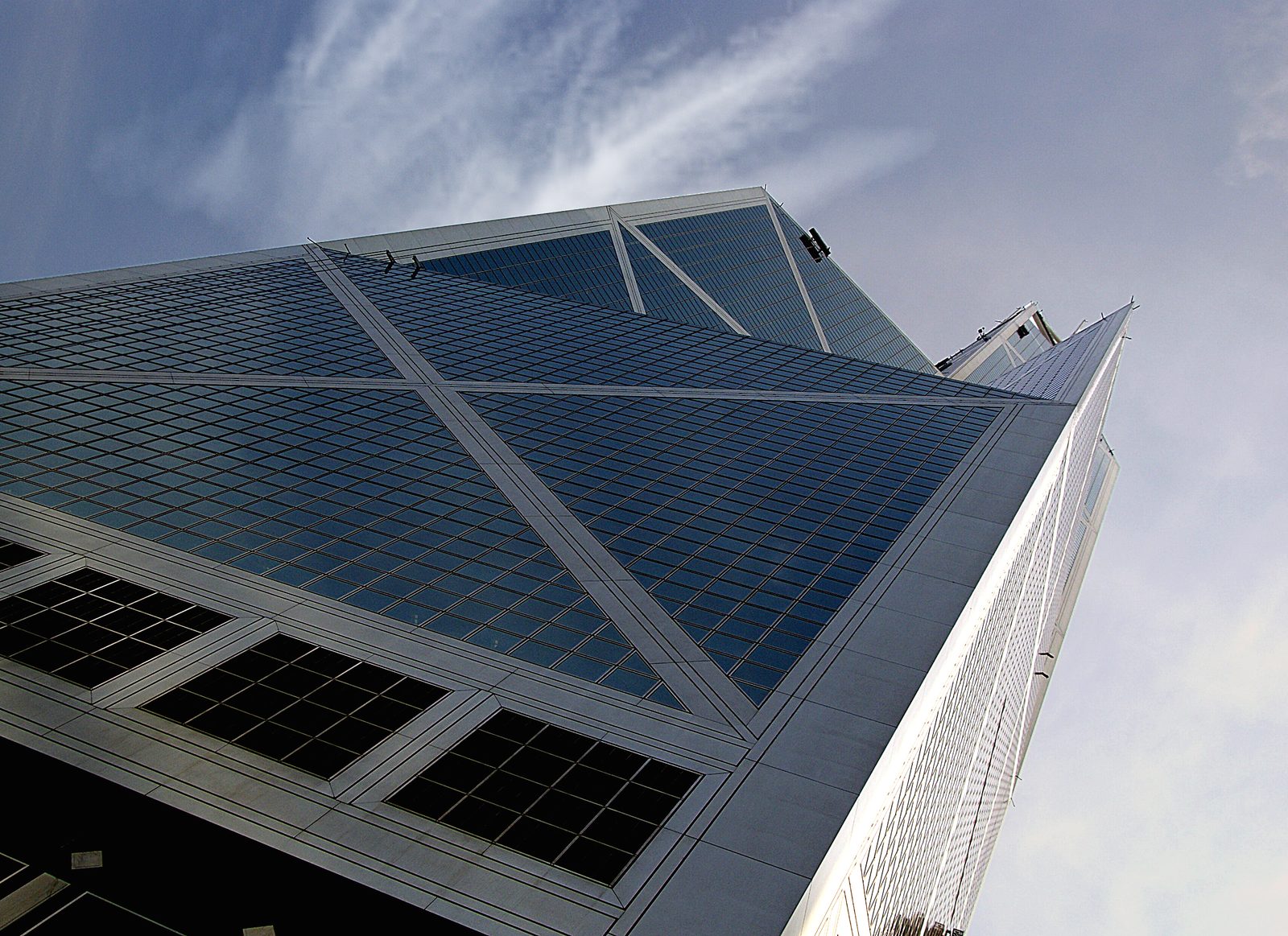
I.M. Pei's Bank of China Tower: Why Hong Kong Still Can't Ignore It
April 26 is I.M. Pei's birthday, which makes today a good excuse to look past the Louvre and revisit one of his sharpest buildings. The Bank of China Tower in Hong Kong is the project that turned Pei's geometric discipline into a skyline icon people still recognize instantly.
That staying power is part of the story. Opened in May 1990 after construction began in April 1985, the tower rose at 1 Garden Road in Central with a precise silhouette: 315 metres to the roof, 367.4 metres to the tip of its masts, and 70 floors above ground. According to Bank of China (Hong Kong), it was the tallest building in Hong Kong when completed. The Council on Tall Buildings and Urban Habitat still records its height at 367.4 metres.
The Shape Was Never Just for Drama
What makes the tower memorable is that its form reads clearly from far away. BOCHK says Pei drew inspiration from bamboo, using a sectioned, rising profile to suggest growth and vitality. The result is an abstract composition of prisms and diagonals that feels both corporate and alive.
Why It Changed Pei's Reputation in Asia
The tower matters in Pei's career because it was not a side note between more famous commissions. M+ included the Bank of China Tower among the landmark projects that solidified Pei's legacy, and its 2025 feature notes that this was his first major high-rise project. The building had to work at once as a headquarters, a public symbol, and a Hong Kong skyscraper that could hold its own in one of the world's most competitive skylines.
Why Readers Still Search for It
The tower has lasting search appeal because it answers several kinds of curiosity at once. Some people arrive through I.M. Pei, especially on a date like April 26 when his biography gets renewed attention. Others arrive through Hong Kong travel, skyline photography, or the simple question of why this one building looks so different from the glass towers around it.
The Real Design Lesson
What architects and design-minded readers can still take from the Bank of China Tower is that abstraction works best when it stays tied to performance. The building does not rely on ornament, nostalgia, or spectacle detached from purpose. Its diagonals help explain how it stands. Its profile gives the city a memorable marker. Its bamboo analogy gives a global corporate tower a local cultural reading without turning it into a theme-park symbol.
FAQ
Bank of China (Hong Kong) says construction began in April 1985 and the building officially opened in May 1990.
CTBUH lists the architectural height at 367.4 metres, while BOCHK notes 315 metres to the tower structure plus two masts.
BOCHK says I.M. Pei used the elegant stature of bamboo as the design inspiration, linking the form to growth, vitality, and enterprise.
Final Thought
The Bank of China Tower still works because it is legible at every scale: as an icon in the skyline, as a structural idea, and as a lesson in how to make symbolism feel disciplined instead of decorative.
Wikimedia Commons (ver arquivo original).