On Ferdinand Cheval's 190th birthday, discover how a rural French postman turned one strange stone into the Palais Idéal, one of architecture's most unforgettable outsider monuments.
Matheus Rudo Oliveira · 2026-11-01
Ferdinand Cheval did not train as an architect. He did not belong to an avant-garde school. He spent much of his working life as a rural postman in southeastern France.
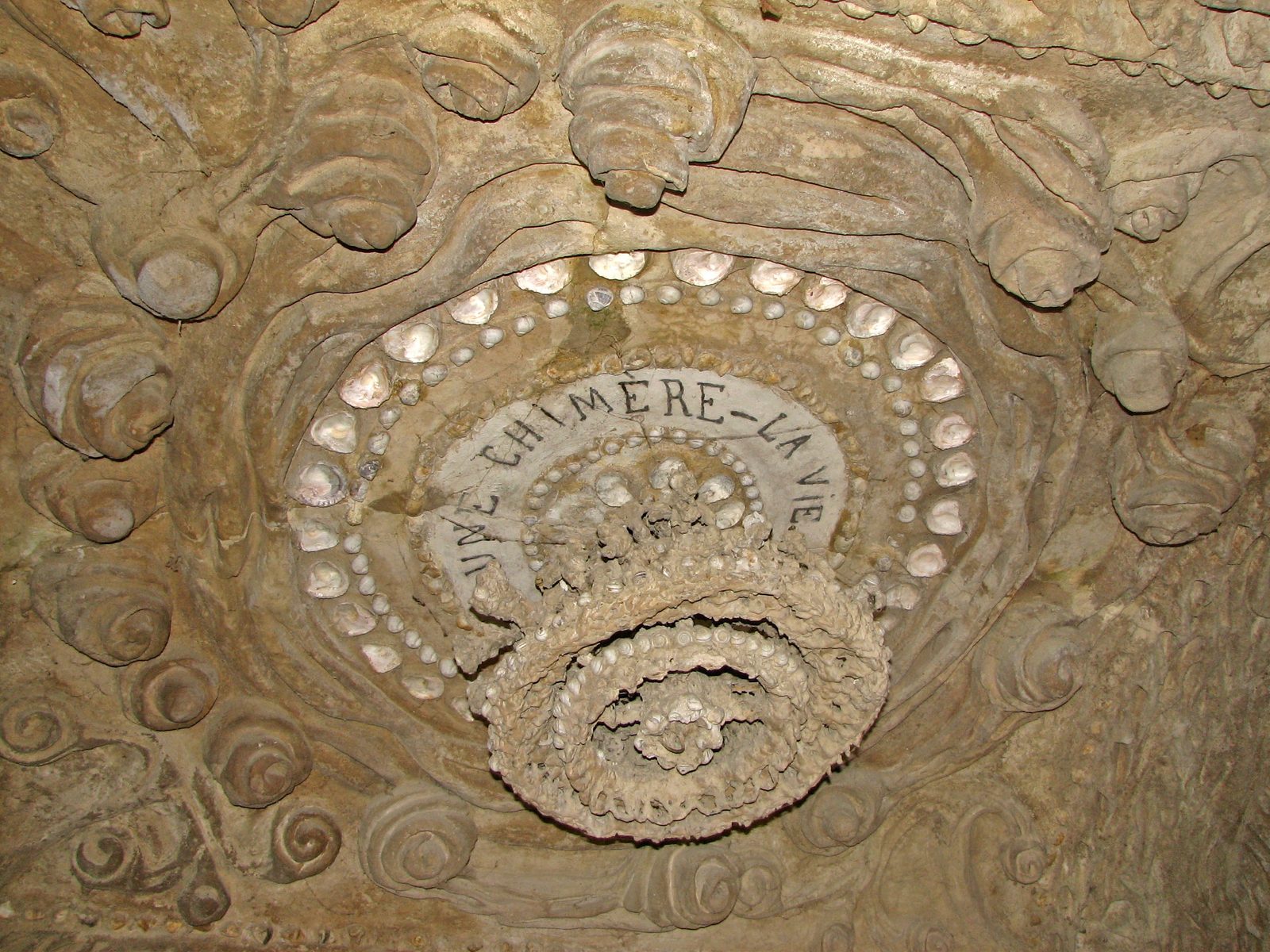
Yet his name is attached to one of architecture's strangest monuments: the Palais Ideal du Facteur Cheval, a dreamlike structure of stones, shells, lime mortar, animals, towers, inscriptions, temples, and grottoes.
Built in Hauterives between 1879 and 1912, the palace was not made by a firm, a patron, or a construction company. It was built by one man over 33 years.
The Postman and the Stone
The turning point came in April 1879, when Cheval was 43. During his postal route, he stumbled on a strangely shaped stone. The official Palais Ideal history preserves his account: he picked it up, admired it, and returned the next day to find more.
That small incident became an architectural obsession. Cheval collected stones during his rounds, later using a wheelbarrow to carry them. After work, he built in his garden.
His postal route became a moving studio. Each day brought landscape, images, postcards, magazines, and stones into the private world of the palace.
Why the Palais Ideal Feels So Strange
The Palais Ideal is difficult to classify. It is not a house in the normal sense. It mixes animals, mythological figures, temples, towers, grottoes, and fragments of imagined architecture from many places.
That mixture is exactly the point. Cheval was not trying to fit into an academic style. He was building a personal universe, one stone at a time.
For architects, the palace is valuable because it sits outside professional architecture while still asking architectural questions: What makes a monument? How does repetition become form? Can imagination become structure without permission from institutions?
A Lesson in Persistence
Cheval's project is often treated as outsider art, but it also belongs to design history because of its discipline. Thirty-three years is not a gesture. It is a life reorganized around a vision.
Final Thought
Ferdinand Cheval's Palais Ideal matters because it turns obsession into place. It proves that architecture can come from training, but it can also come from patience, fantasy, and one strange stone picked up on an ordinary road.
CC BY-SA 3.0 Unported. Attribution: Eric Bajart / Wikimedia Commons. Original file: Le Palais Idéal du facteur Ferdinand Cheval - panoramio.jpg
