Paimio Sanatorium still feels radical because Alvar and Aino Aalto treated architecture, interiors, and furniture as part of the same patient-first design problem.
Matheus Rudo Oliveira · 2026-11-02
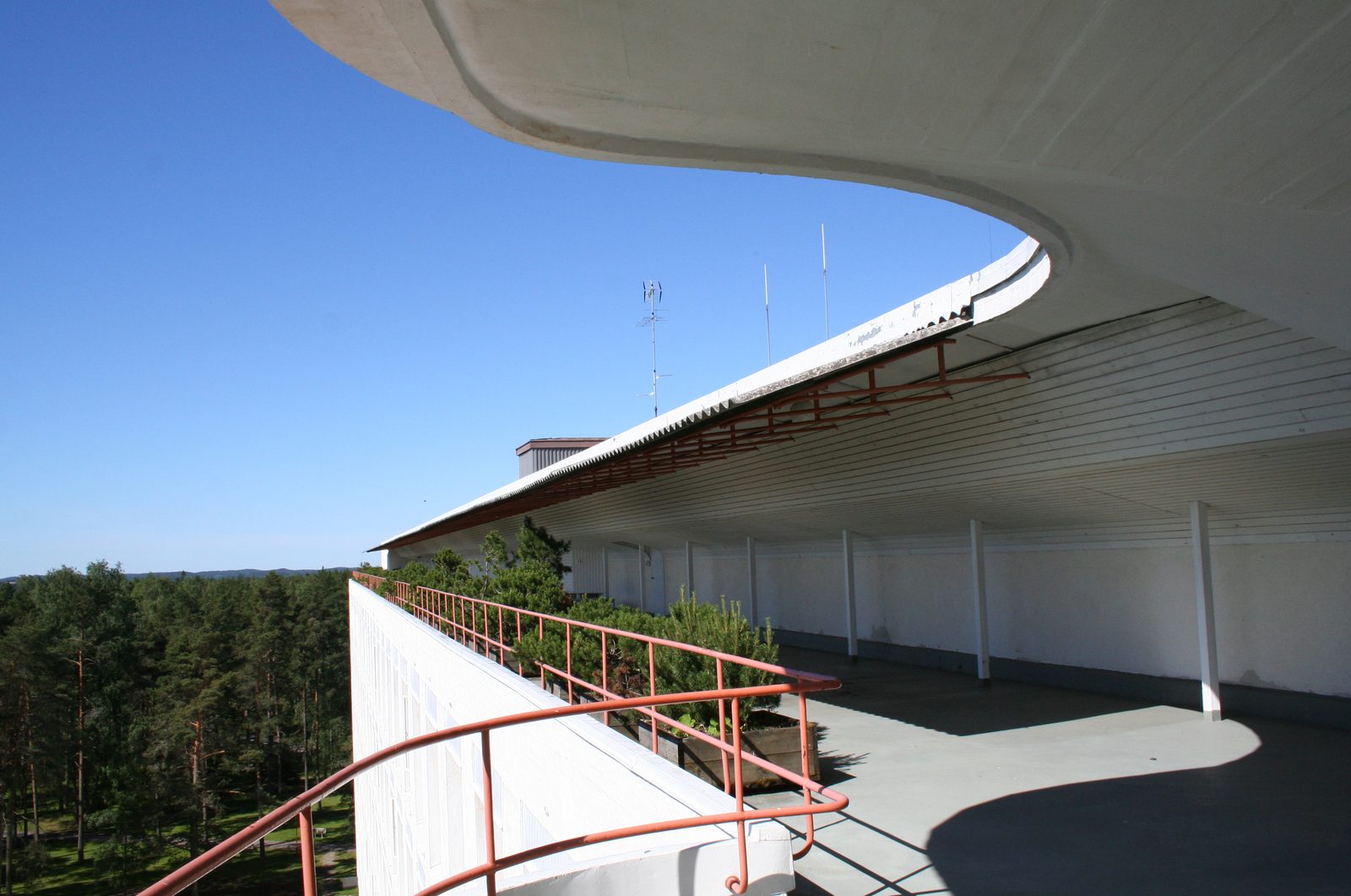
Alvar Aalto's Paimio Sanatorium: Why Healing Was Built Into Every Detail
Some modern buildings are famous because they look good in photographs. Paimio Sanatorium is more interesting than that. It still matters because Alvar Aalto and Aino Aalto treated the entire project as a design problem about recovery: the site plan, the patient rooms, the terraces, the colors, the fixtures, and even the chairs all had to support the people using them.
That is why Paimio keeps showing up in architecture schools, museum collections, and travel wish lists. It is not just an early modernist icon. It is a rare case where functionalism was pushed beyond appearance and into the psychology of care.
Why Paimio Became Alvar and Aino Aalto's International Breakthrough
The official Alvar Aalto Foundation page is clear about the basics: the sanatorium was built after the Aaltos' winning competition entry of 1929, and the completed building of 1933 was crucial to their international profile. The same source calls the project groundbreaking because a tuberculosis sanatorium was especially suited to the new Functionalism, where concrete structure, building services, and practical performance had to work together.
The Building Worked Like a Medical Instrument
The part of Paimio that still feels fresh is its refusal to separate architecture from use. The Aalto Foundation notes that Alvar Aalto designed the interior color scheme with decorative artist Eino Kauria, including yellow floors in the main staircase, colorful corridor walls, dark ceilings in the patients' rooms, and orange balcony rails. Those choices were not cosmetic extras pasted onto a neutral box. They were part of how the building organized mood, orientation, and comfort.
Why the Paimio Chair Still Belongs to the Story
It would be easy to treat the Paimio chair as a side note because it became famous far beyond the building. That would miss the point. The chair matters because it shows how seriously the Aaltos treated continuity between building and object.
Why Paimio Feels Especially Timely on April 30, 2026
There is also a practical reason this topic has strong engagement potential today. As of April 30, 2026, the official Paimio Sanatorium site says the building is open on Saturdays in April and on Saturdays and Sundays in May, and that guided tours are available. The same page describes the tours as a journey into this "celebrated total work of art," which is exactly how many visitors now experience the building: not as an isolated healthcare relic, but as a complete architectural environment.
What Architects Can Still Learn From Paimio
The easiest lesson is that user-centered design did not begin with digital products. Paimio proves that architecture can be rigorous, formal, and highly composed while staying obsessed with the body and mind of the person inside it.
FAQ
Why is Paimio Sanatorium famous?
It is famous because Alvar and Aino Aalto turned a tuberculosis sanatorium into one of modern architecture's clearest examples of patient-centered design, from the site plan down to furniture and fixtures.
When was Paimio Sanatorium built?
The Alvar Aalto Foundation says the project followed the Aaltos' competition win in 1929 and the building was completed in 1933.
Can you visit Paimio Sanatorium today?
Yes. As of April 30, 2026, the official Paimio Sanatorium site says the building has public opening hours in spring 2026 and guided tours are available.
Final Thought
Paimio Sanatorium still feels radical because it shows what happens when modern architecture stops chasing purity for its own sake and starts shaping every detail around human recovery.
Wikimedia Commons (ver arquivo original).